12 real-world examples that combine history, community, and new income opportunities.
Many historic homes have a unique charm. But how many really succeed in transform this charm into a sustainable business model?
📉 The problem? Depending only on sightseeing, weddings, or seasonal rentals means remaining vulnerable to declines in tourism or market changes.
📈 The solution? Innovate. Diversify. Create experiences that attract the right guests and engage the local community.
📊 We analyzed 12 real-world cases across Europe that are changing the rules of the game, taken from the study “Illustrative Practices on Innovative Business Models for Family-Owned Heritage Houses.” – European Historic Houses Association, 2024.
1. Creating a connection with the community
Palácio Fronteira (Portugal) Guided tours for tourists during the day, cultural activities for residents in the evening (concerts, reading groups, lectures). → When tourism drops, it is the local community that sustains the mansion.
Heetveldemolen (Belgium) A historic mill transformed into a meeting point for folklore, education, research and sustainability. → 100% volunteer-run model with high social impact.
2. Interactive storytelling
Château de la Ferté-Saint-Aubin (France). Escape room, historical themed games, seasonal events (Easter, Christmas) to bring the history of the castle to life. → Dynamic storytelling that increases visits and average ticket.
Flanderhof (Romania) Integrates neuroscience, art and music to fill rooms year-round. → The passions of the owners become part of the narrative and a source of income.
3. Position yourself in the premium segment
Rumene Manor (Latvia) Top-notch renovation, wellness, golf, wine tasting and obsessive attention to detail. → Quality itself becomes storytelling and luxury positioning.
4. Diversify with multifunctionality
Ledreborg Palace (Denmark) Agriculture, concerts, corporate events, vacation homes, TV recordings. → Interconnected activities that reinforce each other.
Kasteel van Hex (Belgium) Agriculture, forestry and garden festivals to stabilize revenues. → Multifunctionality mitigates economic risks.
Gisselfeld Kloster (Denmark) Diversifies with multiple strategies: agriculture, rentals, cultural events. → Maximum flexibility through multiple business models.
5. Focusing on sustainability and regenerative tourism
Elmley Estate (UK) Tiny off-grid houses in a nature reserve, storytelling about biodiversity. → Attracting a new segment of guests sensitive to sustainability.
Miravel (France) Restoration with organic materials, renewable energy and eco certification. → Sustainability becomes a competitive advantage.
De Hoge Veluwe National Park (Netherlands) Combines nature, culture and efficient management for large numbers of visitors. → Cultural and nature tourism in a scalable model.
6. Creating personalized experiences
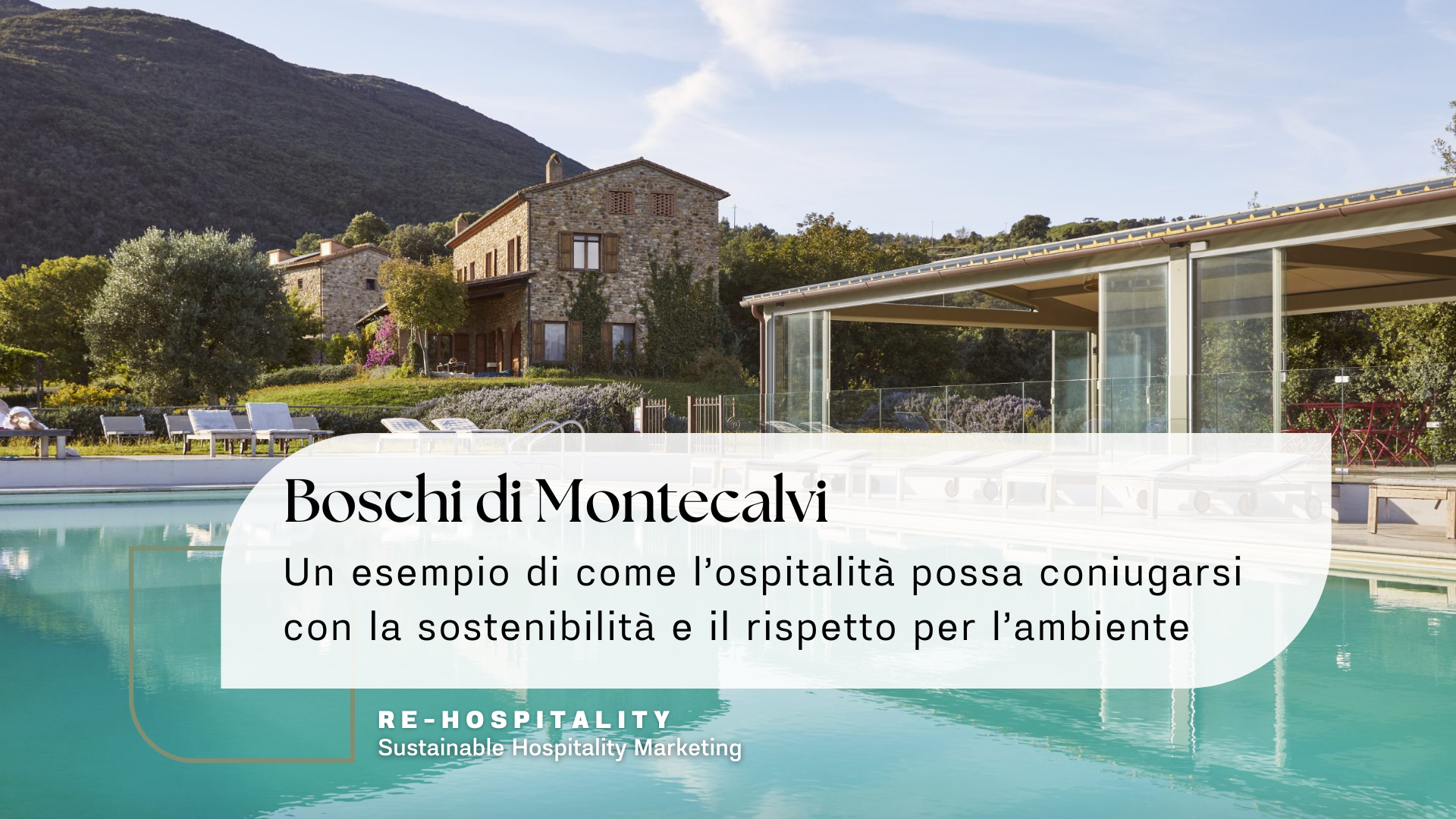
Monsignor of the House (Italy) Tailored hospitality (truffle, wine, local experiences) and historical storytelling. → Customer intimacy that builds loyalty and differentiates in competitive Tuscany.
What do these examples teach us?
→ A clear and authentic identity makes your home recognizable and memorable to the right people.
→ Diversification of activities stabilizes revenues and opens up new opportunities for growth.
→ Unique and engaging experiences create a deep connection with guests, communities and the local area.
In this way, a historic home can transform itself into a living ecosystem, capable of generating cultural, social and economic value, becoming a landmark for those who visit and those who live there.
We at Re-Hospitality help you do exactly that:
- Giving shape and strength to the true identity of your abode
- Creating content and storytelling that attracts ideal customers
- Build integrated strategies that increase direct bookings, diversify revenue, and engage the community
📖 Sources: Study “Illustrative Practices on Innovative Business Models for Family-Owned Heritage Houses” – European Historic Houses Association, 2024.