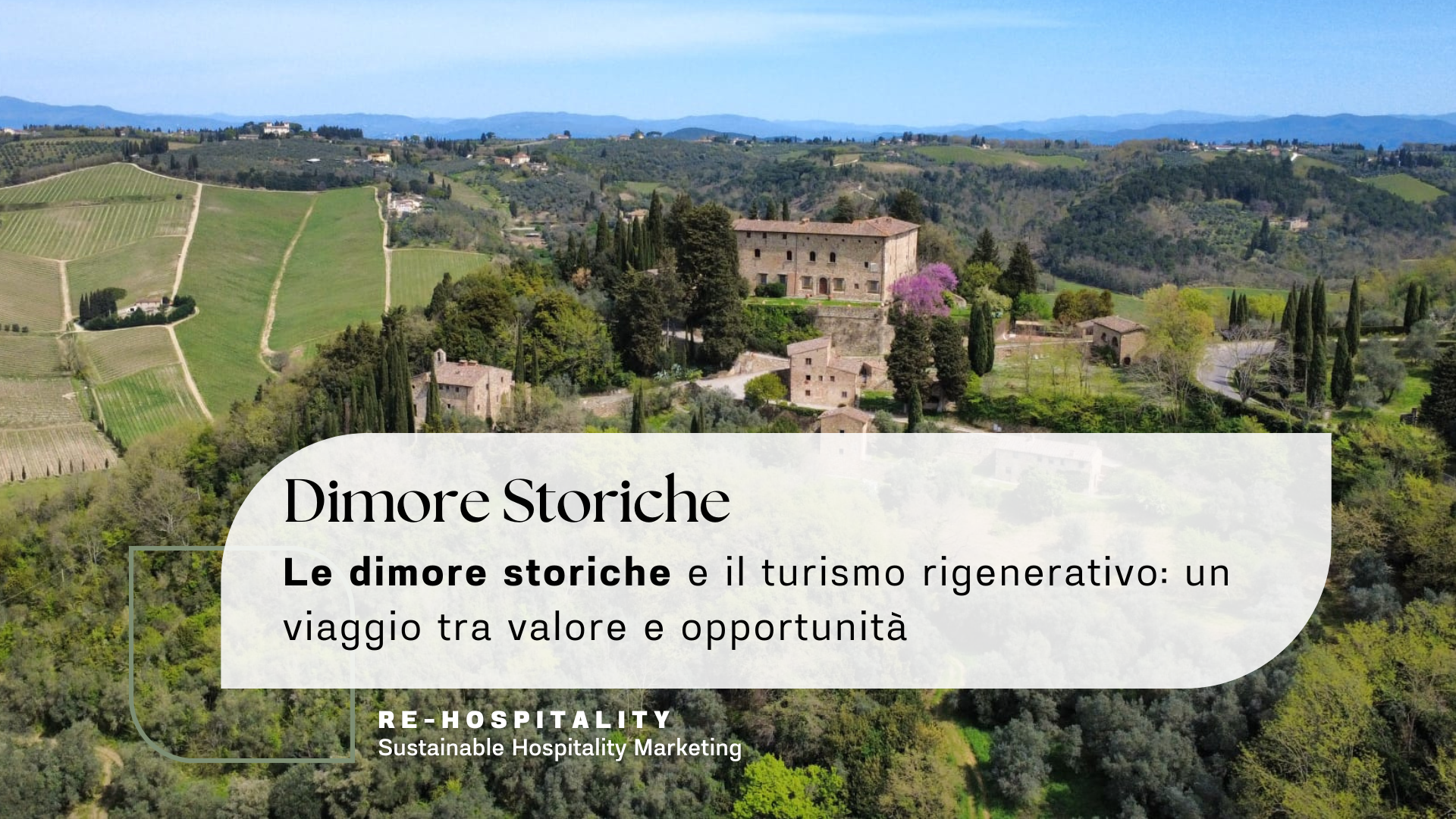
There are more than 40 thousand historic houses in Italy. They are not just witnesses to the past-they are the beating heart of villages, towns, and communities. When a historic home goes out, the entire hamlet is in danger of dying. We are not just talking about cultural loss, but a concrete impact on the economy, tourism and territorial identity.
The numbers that tell the story of value
The V Report 2024 of the Private Cultural Heritage Observatory, sponsored by the RIES Foundation @Economic and Social Research Foundation, offers a striking overview. In 2023, owners of historic houses invested more than 2 billion In maintenance and enhancement. But the most interesting figure is themultiplier effect: every euro spent on a historic home generates 2 more euros in the economic inducement.
This means jobs for artisans, restorers, local producers and tour operators. A virtuous circuit that feeds sectors such as handicrafts, food and wine, and experiential tourism.
The connection with the territory
Historic mansions are not only heritage to be admired. They represent a living network, closely linked to the territory. A significant figure? Thirty-four percent of the dwellings house a farm, and the 27.8% of products Is consumed locally. This short supply chain not only ensures freshness and quality for local consumers and tourists, but also directly supports the local economy, creating sustainable development opportunities for communities and enhancing food and wine traditions.
Regenerating territories, not just buildings
Historic homes embody the principles of regenerative tourism, demonstrating that tourism can restore value to the land:
- They create authentic connections between local communities and visitors.
- They keep the hamlets alive, attracting people and activities that keep them active.
- They promote sustainability by protecting landscapes and ecosystems.
A heritage to be protected for the future
According to the report, each dwelling is an opportunity to tell a story, make connections and generate development. If a hamlet is alive, it is often thanks to a historic home that feeds its economic and cultural fabric.
Read the full details and data in FifthOPCP Report 2024, sponsored by RIES Foundation: Read the full report.